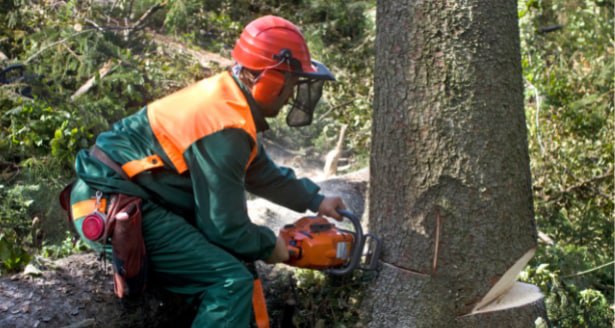
Trees add structure, privacy, and long-term value to gardens and landscapes. In many cases, careful tree surgery can resolve issues such as poor growth, minor disease, or structural imbalance. However, there are situations where treatment alone is no longer appropriate and complete removal becomes the safest and most responsible option.
At Sittingbourne Tree Surgery, we help property owners understand when preservation is possible and when removal is the better solution for safety and long-term site health.
Severe Structural Instability
A tree may need to be removed if its structural integrity has been compromised. Significant trunk decay, major cracks, or extensive root damage can leave a tree unable to support its own weight. In these cases, pruning or bracing may not provide a reliable or lasting solution.
When a tree presents a genuine risk of failure, removal is often the safest course of action.
Advanced or Untreatable Disease
Some diseases progress beyond the point where treatment can restore health or stability. If decay has spread extensively through the trunk or root system, the tree’s ability to recover may be minimal.
Removing a severely affected tree can also help reduce the risk of disease spreading to nearby trees, protecting the wider landscape.
Irreversible Root Damage
Roots play a critical role in anchoring a tree and supplying nutrients. If roots have been extensively damaged by ground disturbance, prolonged waterlogging, or decay, the tree may become unstable even if it appears healthy above ground.
In such situations, treatment of the canopy alone does not address the underlying issue, making removal the more dependable option.
Repeated Failure Despite Previous Treatment
When a tree has required repeated intervention over time, such as ongoing pruning to manage dieback or frequent attention following limb failure, it may be an indication that the tree is in long-term decline.
At a certain point, continued treatment can become ineffective, and removal provides a more sustainable solution.
Safety Concerns Near Buildings and Access Areas
Trees located close to homes, roads, or frequently used outdoor spaces require a higher level of safety consideration. If a tree shows signs of instability, deadwood, or declining health in these locations, the potential consequences of failure increase significantly.
Where risks cannot be reduced to an acceptable level through treatment alone, removal is often the responsible choice.
When Removal Supports Overall Site Health
Tree surgery is not only about individual trees, but also about the health of the surrounding environment. Removing a failing or overcrowded tree can allow remaining trees and plants to thrive by improving light, airflow, and soil conditions.
In some cases, removal is part of a broader strategy to improve the long-term balance of a garden or landscape.
The Importance of Professional Assessment
Deciding whether a tree should be treated or removed requires expert evaluation. A professional assessment considers structural condition, disease progression, location, and future risk rather than relying on appearance alone.
Sittingbourne Tree Surgery provide clear, practical advice based on experience and a thorough understanding of tree behaviour.
Conclusion
While many trees can be successfully treated through professional tree surgery, removal becomes the right option when structural instability, advanced disease, root failure, or safety concerns are present. Acting at the right time helps protect people, property, and the surrounding landscape.
For property owners in Sittingbourne, Kent, Sittingbourne Tree Surgery offer professional assessments and honest guidance on whether a tree can be safely treated or should be removed. Making an informed decision ensures the best outcome for both your property and the long-term health of your outdoor space.
Call us on: 01795 718990
Click here to find out more about Sittingbourne Tree Surgery
Click here to complete our contact form and see how we can help with your tree needs.