Trees can be an important part of a garden or property, providing shade, character and natural beauty. However, there are occasions when a tree becomes damaged, unhealthy or unsuitable for its surroundings and may need to be removed.
Tree felling should not automatically be the first solution. In many cases, appropriate pruning or other tree surgery may resolve a problem while allowing the tree to remain. For homeowners in Sittingbourne, Kent, understanding the signs that may indicate tree felling is necessary can help with making informed decisions about tree care.
What Is Tree Felling?
Tree felling is the controlled removal of a tree from its location. Depending on the size, condition and position of the tree, it may involve removing branches before carefully dismantling the trunk in sections.
The method used should take account of the surrounding property, access and available working space. Careful planning is essential to ensure the tree can be removed in a controlled manner.
The Tree Is Dead or Severely Deteriorated
A dead tree no longer has healthy growth to support its structure. Over time, branches and sections of the trunk can become increasingly brittle and deteriorated.
Signs may include extensive deadwood, missing bark, a lack of foliage and visible decay. However, professional assessment is important because some trees with areas of deadwood may still be manageable through appropriate pruning.
The Tree Has Significant Structural Damage
Trees can suffer structural damage following severe weather, accidental impact or natural deterioration. Large splits, broken limbs and substantial cracks can affect the stability of the tree.
Where the damage is extensive, removing the tree may be considered. A professional tree surgeon can assess the affected areas and determine whether the tree can be managed through remedial work or whether felling is more appropriate.
The Tree Is Seriously Diseased
Disease can affect a tree’s health and, in some cases, its structural condition. Symptoms may include unusual leaf loss, dead branches, fungal growth and deterioration of the bark.
A diseased tree does not automatically need to be felled. The appropriate response depends on the type and extent of the problem. Where deterioration is severe, however, tree felling may be necessary.
The Tree Has Become Structurally Unstable
A tree that has developed significant instability should be assessed by a professional. Changes in the ground around the base, exposed or damaged roots and a noticeable change in the tree’s position can all warrant further investigation.
The cause of the instability needs to be understood before deciding how the tree should be managed.
The Tree Has Outgrown Its Location
Trees can sometimes become unsuitable for their surroundings as they mature. Limited growing space, proximity to structures or an unsuitable original planting position can create ongoing problems.
Pruning may be enough in some situations, but where the tree cannot be safely or effectively managed within its location, removal may need to be considered.
When Pruning May Be a Better Alternative
Tree felling involves complete removal, so it should be considered carefully. A healthy tree with manageable overgrowth, damaged branches or an awkward canopy may be better suited to pruning or crown reduction.
A professional assessment can help identify whether the problem can be addressed while retaining the tree. This is particularly important when the tree remains healthy and structurally sound.
Why Professional Tree Felling Requires Planning
Tree felling requires more than simply cutting through the trunk. The tree’s height, shape, condition and surrounding environment all influence how it should be removed.
Professional tree surgeons can assess the working area and plan the removal of branches and sections of timber in a controlled sequence. This is particularly important when the tree is close to buildings, gardens, paths or other obstacles.
What Happens After a Tree Is Felled?
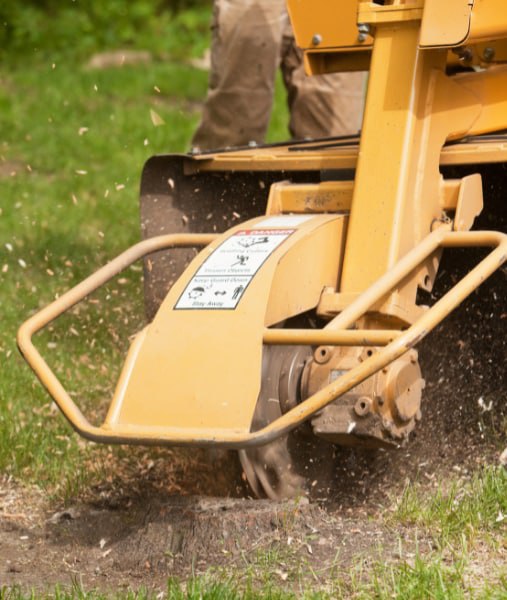
After the main tree has been removed, the remaining stump can be assessed separately. Depending on the requirements of the property, it may be possible to leave the stump in place or arrange suitable stump removal or grinding.
The remaining branches and timber also need to be cleared so that the area can be used again effectively.
Professional Tree Felling in Sittingbourne, Kent
For property owners in Sittingbourne, Kent, recognising the signs of a potentially unsuitable or unstable tree can help ensure that problems are assessed at an appropriate stage. Deadwood, serious structural damage, disease and instability are all reasons to seek professional advice.
Sittingbourne Tree Surgery provides professional tree surgery services, including tree felling, with work planned around the condition of the tree and its surrounding environment.
Conclusion
Tree felling may be necessary when a tree has become severely deteriorated, structurally unstable, seriously diseased or unsuitable for its location. However, not every tree problem requires complete removal, which is why professional assessment is an important first step.
If you have concerns about a tree on your property in Sittingbourne, Kent, contact Sittingbourne Tree Surgery to arrange a professional assessment and discuss the most appropriate tree care solution.
Call us on: 01795 718990
Click here to find out more about Sittingbourne Tree Surgery
Click here to complete our contact form and see how we can help with your tree needs.